January 11, 2012

Baby Boomers Taking A New Look At Retirement


A recent AllState-National poll found that Baby Boomers are pushing back their initial retirement plans from an average of 60 years to 66 years. In addition, the results of the poll showed that 68% of the Baby Boomers expect to work in some form after retirement. The concept of retirement age is no longer what used to be 10 years ago. According to a survey conducted by Wells Fargo & Co in August 2011, 76% of the middle class Americans surveyed considered that “it is more important to have a specific amount saved before retirement, regardless of age, while only 20% say it is more important to retire at a specific age, regardless of savings.”
Other results of the Wells Fargo survey:
  1. 25% of middle class Americans say they will “need to work until at least age 80” to live comfortably in retirement.
  2. 74% of middle class Americans expect to work in their retirement years, including 39% of all respondents who will need to work to make ends meet or maintain their lifestyles, while 35% say they will work because they want to, rather than out of financial need.
  3. Among middle class Americans age 40 to 59, 54% say they will “need to work,” compared to 34% of those age 25 to 39. Accordingly, only 25% of those between the ages of 40 and 59 say they will work in retirement because they “want to,” versus 45% of Americans between the ages of 25 and 39.
  4. Of the Americans who will work in retirement, 47% say they will do “similar work” to their pre-retired years, while 42% say they will work in a position that requires “less responsibility.”
These changes in behavior bring some interesting questions and potential implications in our society. Will baby boomers be physically and mentally able to work later in life? Be efficient and productive until ae 80? What will it mean to the young generation entering the workforce in the next 10 to 15 years from now? And, how does our system of retirement savings need to be reformed to help reduce the savings gap?”
This recession has taken a heavier toll on the middle class than past recessions. However, the “sandwiched generation” (those near-retiree sandwiched between the already retired and the young generation) will feel a heavier burden since their retirement savings and real estate values have both declined substantially in the last 7 years. This has caught many near-retirees by surprise and now will force them to stay in the work force longer than they anticipated.
There is still time to make corrections in your retirement plans if you are in that “sandwiched” situation. It will take immediate action and potentially making some strong and sacrificial changes over the next 5 to 7 years to make sure that you can enjoy a comfortable retirement.

January 7, 2012

Tips on Buying Insurance

Before you talk to an insurance agent it behooves you to do a little research about the insurance buying process. The purchase of insurance should be taken seriously and you should never rush in the decision process. Regardless of the insurance you are purchasing, whether it’s life or car insurance, it’s a huge decision that demands a little research and your undivided attention. Also, if you spent some time upfront and determine what you need or want, locating the insurance policy that best fits your needs will not be the unpleasant task that many people think it is.

That is why it is important that you meet with your insurance advisor to assist you in locating the best insurance policy for your needs. It is critical that the insurance you purchase meets YOUR needs and not the needs/wants of the insurance agent. You don’t want to make any hasty decisions, an incorrect could mean thousands of dollars wasted over the long term.

Insurance is important in the building and protection of your assets. Therefore, in the same way we spend time in developing an investment portfolio or business planning, we ought to dedicate time to determine our insurance needs. As we get older, our needs change and so our insurance needs. Furthermore, not all insurance companies are built equal.

I’ve compiled a list of six tips to take into consideration when purchasing a new insurance policy.  Hopefully these tips will help you make a wise decision and save yourself countless headaches:


1. Determine your needs. This should be your first step in the purchase of insurance. Why are you buying insurance? What are you protecting? Determine how much it would cost to replace something that is valuable to you — your life, if you are disable and unable to work for three to six months, your home, your business equipment with which you generate revenues or anything else you determine is important. Compare the cost and inconvenience of replacing the asset you want to protect and you will find out that many times that insurance (when properly purchased) is comparatively inexpensive.

2. Research the company’s ratings. Many times overlooked. The best example was our recent recession. Many banks and insurance companies failed. Poor management decisions can lead an insurance company to lack the proper funding when the time comes to pay claims. Insurance companies are no different that other businesses. You need an insurance company that will be around when you need their service. Therefore, do your due diligence; you might even be surprised at the companies that don’t fare too well.

3. Check your insurance agent credentials. The presentation and sale of insurance products are regulated by your state. Insurance agents must be properly licensed and trained for the products they are presenting to you. As mentioned above, you need to have an insurance agent that is qualified to help you in the decision process and not just trying to sell you a product that they have no idea if it truly fits your needs but they know that they are making a huge commission on it. There are many insurance sales people, some are out there just for the commission they can make on the sale. However, there are a lot of great insurance professionals well trained and prepared to assist you in making the right decision.

4. Check your local BBB. Research consumer complaints filed against the insurance company under consideration. Knowing what the complaints are against a company will tell you how solid of an insurance company they are. Do not overreact on complaints filed, find out what type of complaints where filed and how the company handled them. Once again, insurance companies are no different than other businesses, they make mistakes too. Also, look at the frequency of complaints filed, are the same complaints being filed? Repetitive complaints could be a sign of weak internal controls.

5. Get the right coverage for YOU. Remember that the insurance must meet YOUR needs. Therefore, you should buy the right type of insurance and the right amount of coverage. Never let an agent tell you how much insurance or coverage you need. As a financial advisor, I could make a recommendation and it is my responsibility to justify my calculations based on the facts I have about my clients. However, it is YOUR responsibility to figure out how much insurance you want. Letting an insurance company blindly tell you what you need is like asking a casino how much you should gamble.  Whether you need an umbrella policy or extended coverage, this is for you to decide, not an agent. 

6. Ask some tough questions. Insurance is a significant financial decision. Take the time to really ask the tough and important questions. Also, remember that the investment in insurance coverage can have long-term implications. If your insurance agent seems uncomfortable, unable or unwilling to answer your questions, unprepared or unable to explain to you the insurance product that he/she is presenting to you, you are better off going to another insurance professional.

I hope these tips will be of help to you in the your decision making. As you may have noticed, I did not mentioned price on my tips. Even though, price is important, insurance is more than just price. Many times you will hear of horror stories of people that thought they had insurance or certain coverage and they find out the hard way and when it is too late. The cheapest insurance is not always the best option. Take these principles and print them out, keep them nearby when you are meeting or talking to your insurance agent. Remember, it is your money and it is your decision, if you ever feel that your agent is not listening to you or does not address your needs, that is a sign that it may be time to end the conversation and consider a different company.  Take your time and make a decision you and your wallet can be proud of. Never buy insurance under pressure.

January 1, 2012

Texas Elder Investment Fraud Scams

Seniors many times live solitary and isolated lives, which makes them ripe targets for scammers and fraudsters to gain their confidence by becoming their new constant "friend" which can lead to any combination financial abuse. As our baby boomers in our families are reaching the age of retirement, they will be become the focus of attack of these opportunistic fraudsters. The common thread in all Ponzi schemes is greed, they offer "results to good to be true" and greed blinds people. 


We must be active participants in our family members financial decisions. If you are not personally qualified to do the job, then hire a trusted financial advisor. There are many good financial professionals in your area, attorneys, CPAs, CFPs that could help you and your elders in your family analyze the "wonderful offers" being made to your family members. 


Today I will share a sad story that was released in the month of December where an Amarillo-based property management and insurance company selling securities has swindled $6.7 million from about 100 investors, most of them elderly.


 Click Here To Learn More

December 29, 2011

Tyranny of the Urgent

As we approach the end of the year and I prepare my plans for 2012, I am reflecting about what worked, areas I need improvement and lessons learned. One of the areas that I want to share with you based on the countless meetings, conversations with family, friends and business partners is the management of time. Specially this time of the year, where we should be filled with Joy; many seem stressed and worried.

Many people seem to be "running out of time" and wishing for a 30-hour day. I am sure that if we had an extra six hours every day that would solve our problems; or would we end up as frustrated as we are now with our 24-hour days? Is the problem that God did not provide for us enough time for us to complete our tasks or is the root of the problem our choices of priorities? In 2004, Ipsos (a global marketing research firm) announced that almost everybody agrees with the statement "There is never enough time in the day to get done what I want to get done". Americans were among the most likely to agree with this statement with 64% of us agreeing with it.

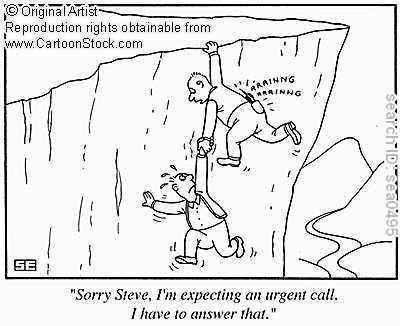
Back in the 60s, Charles Hummel published a short booklet that became a quick hit in the business community called Tyranny of the Urgent.  In this classic, Hummel argues that there is a constant tension between what is important and what is urgent. He goes further to say that in most cases the urgent wins. We live in a world where the urgent tasks collide with the important tasks. The urgent tasks are constantly screaming for attention and demanding to be addressed now! Whereas the important tasks many times does not have to be done right now, what if you missed dinner with your wife tonight?, what if you missed your daughter's ballet recital?, what if you missed your son's basketball game? There is always tomorrow, next recital and next game.

The momentary appeal of a "business opportunity" screaming at you and wanting to pull you away from home and your important tasks, seems irresistible. However, when put under the light their deceptive prominence fades. Then you realize that it is not that urgent, then with a sense of loss and frustration we realize that time is not forgiving and we look at the important tasks that we pushed away to attend the urgent. That is when it hits you that you are a slave to the tyranny of the urgent.


If we stop to evaluate  the situation, we will realize that the root of the problem goes much deeper than shortness of time and that the real problem is how we establish priorities. In other words, many times we allow the "urgent", though less important, to be elevated in our list of priorities, and therefore the important is put on the back burner. We see this happening at work and home all of the time,  we focus on the urgent things in front of us, and at the end of the day, the things we really care about — the important — were barely looked at. We leave undone the things that we have to complete and attend and complete the tasks that we did not have to.

Hummel in 1967 identified the telephone as among the "worst offenders" against our peace. That was before we decided to carry the offending equipment with us everywhere (and I mean everywhere). As Hummel stated back in 1967 it is true today, the issue is not that we have a shortage of time, the real problem is our priorities. The greatest danger to our peace is letting the urgent things crowd out the important ones.

God invented time to keep everything from happening at once. Looking ahead to 2012, do not expect to have time to do everything you want to do. However, resolve that you won't let the urgent get the upper hand on the important events in your life.

December 26, 2011

Estate Planning

Estate planning is an area that most people avoid talking about. They pretend that if I ignore it, it will take care of itself. It is understandable the aversion to talk about your estate since it has to do with the planning of our end. There is not easy way to talk about this topic, it is painful and it is a reality. Regardless of how difficult this subject may be to you, you must address it if you want your assets after your death to pass to the proper hands.

John D. Rockefeller founded Standard Oil in 1870 and became the richest man on the planet. When he passed away, his accountant was asked, “How much of an estate did he leave?” His accountant’s answer was: “All of it.” During his lifetime John D. Rockefeller accumulated many assets. He also gave generously
both during his lifetime and through his estate. But he also understood Psalm 49:16-17, “Do not be overawed when a man grows rich, when the splendor of his house increases; for he will take nothing with him when he dies, his splendor will not descend with him.” (NIV)

During our lifetime we work more than forty years to accumulate assets and spend approximately ten years conserving what has been earned. However, the sad reality is that on average we do not spend even two hours to plan for distribution of those assets accumulated. Many times there is little planning and in some cases no planning at all. The chaos that often occurs following the death of a loved one can be burdensome. However, this burden can be eased, through proper planning.

A key element of proper planning is the implementation of an estate plan. The basic document in any such plan is a will and many plans also include a trust. I have prepared a Guide to Planning Your Will and Trust which is designed to encourage you to think about how you want your assets to be distributed at death and assist you in gathering the information your attorney will need to prepare a will and trust that accomplishes your goals. This will help you organize your thoughts and save you time and money in professional fees.

If you are a Christian, you understand that through proper planning, a legacy of love and care that you leave for your family and friends can be encouraging and in many cases even inspiring. The Bible tells us, “If anyone does not provide for his relatives, and especially for his immediate family, he has denied the faith and is worse than an unbeliever.” 1 Timothy 5:8 (NIV). Part of becoming a “good and faithful servant” is to create a good plan for your family, regardless of the size of your estate. This important stewardship of the property that God has entrusted to you can both protect and provide for your family.

The reality is that every day has 24 hours – 1,440 minutes – 86,400 seconds. Or does it? A short day is coming for all of us – a day when we will not reach the 86,400th second, and will pass on to our final reward. We may have lived a long and useful life, filled with great memories. First, the “learning” years – youthful and vibrant time spent in school with classmates. Second, the “earning” years – that first job, building a career and meeting many friends and business associates. Third, the “retirement” years — when you finally have time to enjoy visits with all of your family and friends.


I encourage you to take time, sooner than later, and prepare or update your estate planning. If you are interested in the guide I have prepared, please email me and I will gladly send you the guide at no charge to you. The guide will be emailed within 48 hours after receiving the email (emails will start being sent January 3, 2012).

As was true with John D. Rockefeller, everything will be given to someone or for some purpose.

December 23, 2011

Reality Check: Most Americans Don’t Have a Retirement Plan

The population may be aging, but that hasn’t gotten a lot of Americans to plan for retirement. According to a survey released by ING Retirement Research Institute, 71% of Americans lack a formal investment plan to help them reach their retirement goals.

The study, conducted by the ING Retirement Research Institute, showed that nearly half (48%) of respondents aged 25 to 69 who are employed full-time and earn at least $40,000 a year don’t feel prepared for retirement. That’s despite the fact that 75% of that same group do contribute to their workplace’s retirement plan. The study also found that only 43% of those surveyed calculated how much money they will need to continue their current lifestyle once they retire. And only 28% are working with a financial professional to help meet objectives.

December 19, 2011

Basics of Personal Finance


As we approach the end of 2011, we must reflect about the accomplishments during the year and the areas that we could have done better. One area that I would like to encourage all of you that read my blog is to take the time to build a solid financial future. Just like when a builder constructs a house on a solid foundation to withstand the elements, you need to have a solid financial foundation. 

The development of a solid financial foundation are the same regardless if you make $25,000 or $250,000 a year. It is important that you understand that mastering personal finance goes beyond the development of a budget. Personal finance covers a sleuth of topics that range from budgeting, taxes, debt, insurance to name a few. It is also critical that you understand how these areas of personal finance relate with each other and its impact to your financial goals.

Today I want to share with you some principles or pillars that will help you develop a solid financial foundation for your family. The information shared here comes from my personal experience, many conversations with people from different generations over the last twenty years, and thousands of books read in the area of financial planning. One thing that came to my attention is that our grandparents and great-grandparents were much better at savings than the most recent generations. There is a lot of wisdom we can learn from them and we better pay attention if we want to get this country back on its feet.


The principles that I will share with you today are very basic, these principles are tested and true. However, over the years we lost focus and the results are known to us today. The financial markets and economic trends may come and go, but saving money never goes out of style. I invite you today to revisit these principles and apply them today.

1. Frugality - our ancestors were shrewed and frugal. We made fun of them, while the spending party was good and it did not seem to end. However, they had a better understanding about money and expenditure. They only spent on the important and critical things for their families, they focused on value. Here are some ideas from the past that you may want to apply to your finances today:

* If a "newer and cooler" version of something is released this holiday season, wait to buy it until the one you have no longer works.
* Teach yourself skills that expand your practical knowledge.
 
2. Accountability - The only way to gain control over your finances is by being accountable of the money spent. Our grandparents knew the money spent because they truly felt it in their wallets. However, today credit cards create a "swipe and reconcile later" mentality. This mentality also creates a disconnect between the expenditure and the accounting (or responsibility) for that expenditure. The "reconcile later" became more like I will "figure it out later". However, our grandparents had a more visual experience of their expenditures since it was a tangible experience.

What can you do differently today? 

* Avoid the excessive use of credit cards. Only use them when they are truly necessary.
* Learn to live within your means.
* Review your spending on a daily basis.
* Keep track of your expenditures.

3. Be Grateful - The generation that lived through The Great Depression experienced great challenges and learned to be truly grateful for everything that they had. The challenging experiences made them painfully aware of the potential for future hardships and what foolish financial behavior can cause to a family.

*  Stop the self-entitlement attitude: You only deserve what you have worked hard for.
* Nothing is free in life.
* Be grateful for what you already have.
* Be honest with your "wants" vs "needs".

4. Learn to Save - Saving does not make you wealthy. However, when savings have accumulated sufficiently they should be used to buy assets. Also, savings are used to create emergency reserves. Most of us know that we should save money, however doing it is a different story. It takes self-restraint, determination, and strength-of-mind to resist “keeping up with the Joneses” or buying the latest iGadget.

* Work on liquidity
* Create a reserve equal to three months of your household expenditures.

5. Patience - I am sure that you have heard “patience is a virtue.” This is a vital lesson in finance as well as in life. The desire for immediate gratification drove us into this current recession. When this trait is left to run out of control it will lead a person to financial ruin. The use of credit cards, combined with the constant temptations and enticements of advertising, provides the perfect vehicle for immediate gratification.

* Start teaching your children the gift of patience through the allowance given to a child. Teach them the principles of building a savings account and spending less than what they will need to buy what they want.
* Be patient in the implementation of your personal financial program. Don't expect it to magically disappear what it took years to make the mess.